
 English
 Español
 Portugues
 Pусский
 Français
 Deutsch
 日本語
日本語 한국어
한국어 العربية
 Italiano
 Nederlands
 Ελληνικά
 Svenska
 Polski
 ไทย
ไทย Türk dili
 हिन्दी
 Indonesia
 Melayu
 Tiếng Việt
 Magyar
 қазақ
қазақ বাংলা
বাংলা עִברִית
 čeština
 Soomaali
 မြန်မာ
 فارسی
فارسی українська
 norsk
norsk Gaeilge
 беларускі
 Română
 ພາສາລາວ
 Filipino
 lietuvių
 Suomalainen
 slovenský
 اردو
اردو հայերեն
 български
 سنڌي
سنڌي Hrvatski
 galego
 català
 basa jawa
 Кыргызча
 тоҷикӣ
 Србија
 Hawaii
 latvija
 slovenija
 ਪੰਜਾਬ
ਪੰਜਾਬ hua moni
 bosna
bosna Монгол
 Azərbaycan
 Malta
Malta ខ្មែរ
ខ្មែរ 中文(繁体)
 Afrikaans
 Sango
Sango मैथिली
 Татар
Татар Fiji
Fiji Dinka
Dinka
Eco-friendly tea caddy
Eco-Friendly Tea Caddy: A Sustainable Way to Store Your Tea An eco-friendly tea caddy is a thoughtfully designed container for storing tea leaves, crafted with sustainability in mind. Unlike traditional tea tins or plastic containers, it prioritizes environmental responsibility by using renewable, biodegradable, or recycled materials while maintaining functionality and aesthetic appeal. Materials and Design Eco-friendly tea caddies are typically made from materials such as bamboo, recycled wood, stainless steel, or food-grade biodegradable plastics. Bamboo is a popular choice due to its rapid growth, durability, and natural antibacterial properties, which help preserve tea freshness. Recycled wood or metal caddies reduce waste by repurposing existing materials, while plant-based bioplastics offer a compostable alternative to conventional plastics. The design often incorporates airtight seals to protect tea from moisture, light, and air—key factors that degrade flavor and aroma. Many eco-friendly caddies feature minimalist, elegant aesthetics, blending seamlessly into modern kitchens while promoting a zero-waste lifestyle. Environmental Benefits By choosing an eco-friendly tea caddy, consumers reduce their reliance on single-use packaging and non-recyclable materials. Traditional tea bags and plastic-lined containers contribute to landfill waste, whereas sustainable caddies are reusable and often recyclable at the end of their lifecycle. Some brands even use water-based inks and adhesives to minimize chemical pollution. Practical Advantages Beyond sustainability, these caddies are highly functional. Their airtight construction keeps tea fresh for longer, preventing oxidation and preserving delicate flavors. Light-blocking designs, such as opaque bamboo or tinted glass, protect sensitive teas like green or white varieties from UV damage. Many models also include dividers or compartments for organizing different tea types. Versatility and Longevity An eco-friendly tea caddy isn’t limited to tea storage—it can also hold coffee beans, herbs, or spices, making it a versatile kitchen accessory. Durable materials like stainless steel or high-quality bamboo ensure long-term use, reducing the need for frequent replacements. Conclusion An eco-friendly tea caddy combines sustainability, functionality, and style, offering a responsible way to enjoy tea while minimizing environmental impact. By investing in one, tea enthusiasts contribute to waste reduction and support sustainable practices, all while keeping their favorite blends fresh and flavorful. Whether made from bamboo, recycled metal, or biodegradable composites, these caddies represent a small but meaningful step toward a greener future.
ngwaahịa
Nhazi:
-
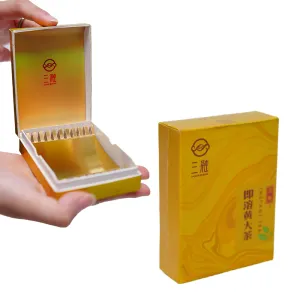
Igbe nkwakọ ngwaahịa Sanrong ozugbo
udi: Igbe teaEchiche: 918nọmba usoro n'usoro:oge ntọhapụ: 2025-09-26 17:25:30Ihe nkwadebe a maka "tii ngwa ngwa" Sanrrong "bụ ihe nlere anya nke na-agbakọ ihe osise nke teknụzụ ọgbara ọhụrụ. Ọ bụghị naanị ngwa ngwa na-ekwupụta ụdị njiri mara ihe ha mana na-ebuli ya elu ma na-ebuli ya elu site na njiri mara, na -emepụta echiche na-agaghị echefu echefu. Akụkụ kachasị sie ike nke nkwakọ ahụ bụ cha cha na-acha odo odo. Agba edo edo abụghị fluorescent hue, kama ụda olu na-ekpo ọkụ, nke bara uru na-echetara wit with ntị ma ọ bụ ìhè anyanwụ. O nwere arịrịọ nlebara anya siri ike, na-enyere ngwaahịa a ka ọ dabere na shelves ụlọ ahịa. N'otu oge, agba na-acha odo odo na-eme ka ya na aha na njiri mara nke ụdị tii a pụrụ iche "edo edo," na-ekwe ka ndị na-azụ ahịa mee ka ndị na-azụkọ ihe na ngwa ahịa. Ọ na-egosi na ọ na-ekpo ọkụ na-ekpo ọkụ na-ekpomeete na ụtọ anwụ na-atọ ụtọ. Megide abrop na-acha odo odo na-acha odo odo, onye na-emepụta ihe na-etinye ihe na-asọpụta, dị nro na-echetara mmiri rippling ma ọ bụ igwe ojii. Ndị a na-emegharị emegharịghị anya ma ọ bụ usoro geometric ma ọdịdị eke, usoro na-adịghị mma nke na-eme na n'ígwé, na-arụ ọrụ dị omimi. Ihe okike a na - eme ka mmetụta dị egwu na monotony nke otu edo edo na - acha odo odo, na - eme ihe na - emekọ ihe ọnụ na ike dị egwu. Ọ na-adọrọcha tii tii akwụkwọ na mmiri ọkụ, mgbe ọ na-eme ihe onyonyo nke ala na-ekpo ọkụ, jiri nwayọ na-ebuli usoro ọdịnala ngwaahịa na nka. Dị ka okpueze ahụ, ụyọkọ nke akwụkwọ ndụ akwụkwọ ndụ dị mma na-achọkarị akụkụ aka nri nke igbe. Uzo a na-acha akwụkwọ ndụ, na-emekọ ihe dị iche iche na-acha odo odo na-acha odo odo - ngwa ngwa nke ịgbakọta agba na-egosiputa mmalite nke ngwaahịa. Eleghị anya emebere mpempe akwụkwọ na ihe dị mfe, na-ezere Clichés nke Hyper-Green na-eme ka ihe nkiri a na-emegharị eme ihe. Ọnụnọ ya, dị ka ndo dị ka mmiri na-acha n'okpuru ìhè anyanwụ, ozugbo na-apụta ìhè "ọhụụ" dị egwu ", na-ekwupụta ike na uru ahụike. A na-eme ka ihe ndị a niile na-eme ka ha nwee ndụ site na usoro obibi akwụkwọ dị elu. Njikwa ihe na-eme ka teknụzụ nano na-arụ ọrụ, na-eweta edo edo na oyi na-atọ ụtọ. Nke a ọ bụghị naanị na-eme ntụpọ edo edo ọzọ na-acha odo odo na jupụtara na mmiri na-asọpụta ederede dị iche iche, nke nwere ike na-erite uru dị iche iche dị ka nguzogide na ịghagide. N'otu oge, akara akara ma ọ bụ ozi ederede nwere ike iji na-eme ihe ma ọ bụ na-arụ ọrụ usoro iji mepụta mmetụta atọ na-emetụta ụzọ atọ. Imetụ aka na-ekpughe contours dị iche, ebe ahụmahụ a karịrị anya na-eme ka ihe ndị ọzọ na-eme ihe na-eme ka ị nwekwuo nkwakọ ngwaahịa. Na nchịkọta, nkwakọ ngwaahịa a na-emepụta ihe mara mma, nke a na-ahụ anya na-acha odo odo site na isi ya na-acha odo odo, akwụkwọ ndụ akwụkwọ ndụ dị ọhụrụ, na ngwa nke Nano na usoro nke nano. Ọ ga-eme ka ọ dị mma na ọnọdụ na-acha odo odo na-acha odo odo dị ka ihe dị mma, na ezigbo ngwaahịa.
ozi
Nhazi:
Enweghị nsonaazụ ọchụchọ ma!
ikpe ahụ
Nhazi:
Enweghị nsonaazụ ọchụchọ ma!
vidiyo
Nhazi:
Enweghị nsonaazụ ọchụchọ ma!
budata
Nhazi:
Enweghị nsonaazụ ọchụchọ ma!
mbanye
Nhazi:
Enweghị nsonaazụ ọchụchọ ma!
Ngwaahịa akwadoro
Enweghị nsonaazụ ọchụchọ ma!



 Ekwentị