
 English
 Español
 Portugues
 Pусский
 Français
 Deutsch
 日本語
日本語 한국어
한국어 العربية
 Italiano
 Nederlands
 Ελληνικά
 Svenska
 Polski
 ไทย
ไทย Türk dili
 हिन्दी
 Indonesia
 Melayu
 Tiếng Việt
 Magyar
 қазақ
қазақ বাংলা
বাংলা עִברִית
 čeština
 Soomaali
 မြန်မာ
 فارسی
فارسی українська
 norsk
norsk Gaeilge
 беларускі
 Română
 ພາສາລາວ
 Filipino
 lietuvių
 Suomalainen
 slovenský
 اردو
اردو հայերեն
 български
 سنڌي
سنڌي Hrvatski
 galego
 català
 basa jawa
 Кыргызча
 тоҷикӣ
 Србија
 Hawaii
 latvija
 slovenija
 ਪੰਜਾਬ
ਪੰਜਾਬ hua moni
 bosna
bosna Монгол
 Azərbaycan
 Malta
Malta ខ្មែរ
ខ្មែរ 中文(繁体)
 Afrikaans
 Sango
Sango मैथिली
 Татар
Татар Fiji
Fiji Dinka
Dinka
Cigarette Packaging
Cigarette Packaging: Design, Regulations, and Public Health Impact Cigarette packaging serves as both a marketing tool and a medium for public health messaging. Over the years, its design and regulatory requirements have evolved significantly, reflecting growing awareness of the health risks associated with smoking. Design and Branding Traditionally, cigarette packaging was designed to appeal to consumers through distinctive colors, logos, and typography. Bright, sleek designs often targeted specific demographics, such as younger adults or luxury-seeking consumers. Some brands used minimalist aesthetics, while others employed bold imagery to create brand recognition. The packaging material typically consists of cardboard or foil-lined paper to preserve freshness. Health Warnings and Plain Packaging In response to smoking-related health concerns, many countries have mandated prominent health warnings on cigarette packs. These warnings often include graphic images of smoking-related diseases, such as lung cancer or gum decay, accompanied by text like "Smoking Kills" or "Tobacco Causes Death." Some nations have adopted plain packaging laws, which standardize the appearance of cigarette packs by removing branding elements. Under these regulations, packs feature uniform colors (often dull brown or green), standardized fonts, and enlarged health warnings, reducing their visual appeal. Regulatory Measures Governments worldwide have implemented strict rules on cigarette packaging to discourage smoking. These include bans on misleading terms like "light" or "mild," which falsely imply reduced harm. Some jurisdictions prohibit flavored cigarettes, targeting products that appeal to younger users. Additionally, many countries require opaque packaging to prevent consumers from seeing the cigarettes before purchase, further minimizing attractiveness. Public Health Impact Research suggests that plain packaging and graphic health warnings effectively reduce smoking rates, particularly among young people. By eliminating branding, these measures weaken the emotional connection between consumers and tobacco products. Studies also indicate that larger, more prominent warnings increase awareness of smoking risks, encouraging cessation attempts. Conclusion Cigarette packaging has transitioned from a branding-centric approach to a public health tool. Through regulations like plain packaging and graphic warnings, governments aim to reduce smoking prevalence and mitigate its devastating health consequences. While the tobacco industry continues to adapt, the global trend toward stricter packaging laws reflects a commitment to prioritizing health over commercial interests. (Word count: 500)
ngwaahịa
Nhazi:
-
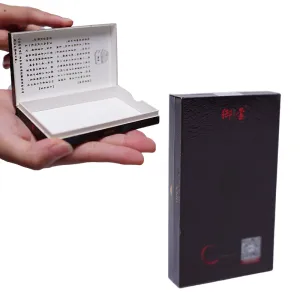
Cigartte paccarstic
udi: Igbe anwụrụEchiche: 893nọmba usoro n'usoro:oge ntọhapụ: 2025-09-27 09:20:15Igbe nkwakọ ngwaahịa a maka ika "Yup" bụ ihe ọkaibe na-enweghị isi na-agbakọta nkà ihe enyemaka na mpaghara ọwụwa anyanwụ Easterhetics. Site na nhọrọ ihe omume na mpempe akwụkwọ ikpeazụ, site na nkọwapụta dị omimi na ọnụnọ ya niile, akụkụ niile na-egosi na ọgbụgba amachaghị nke ọdịnala na usoro ọdịbendị nke ọdịbendị ya. Ngwukọ ahụ na-agbada na-agbada nke ọma, nke ojii dị ka isi mmalite ya. Nwa ojii a abụghị ụlọ dị larịị, ebe mmiri na-emegharị ma na-enwetara ederede dị ukwuu site na usoro iche iche iche. Ọgwụ elu elu bụ ihe dị iche iche: Ndị na-ese ihe na-arụ ọrụ na-emepụta usoro iji mepụta subtle, nke na-ahụ anya na-ahụ anya na igbe ahụ. Echiche a nwere ike ibute mmụọ nsọ site na mpempe akwụkwọ Xuan oge ochie ma ọ bụ mimico ụzọ aghụghọ hapụrụ site na ite ink osisi. Ọ bụghị naanị na-abawanye ụba nke ahụmịhe nke ahụmịhe kamakwa mepụtara dị nro, na-atụgharị uche dị iche iche dị ka ọkụ si na akụkụ dị iche iche. Nke a na-ezere dully ojii dị ọcha, na-ekpughe omimi enweghi ngwụcha n'ime oke mma. Na ahụmịhe nke Ttitile, usoro a na-arụ ọrụ dị ka mmetụ ahụ. Ihe nnọchianya nke ika, "Yup" na eserese ya jikọtara ọnụ n'elu ma ọ bụ kpọmkwem akpụ site na ịnwụ, na-emepụta ọrụ enyemaka. Ihe dị nro na-ekpughe ngosipụta doro anya nke ọrịa strorks na consinals atọ. Mmekọrịta a, ịghapu naanị anya, na-egosipụta mmekọrịta chiri anya na nke ụkpụrụ dị egwu. Ọbụna tupu imepe nkwakọ ngwaahịa, ndị ọrụ nwere ike ịghọta ụdị ọrụ aka ochie na ụdị pụrụ iche site na imetụ aka. Usoro mbipụta na-arụ ọrụ na ihuenyo Snow-Ihuenyo snowffle iji gosipụta isi "Yup". Vibrant, Red Chinese na-acha ọbara ọbara na-arụ ọrụ nke ọma site na mbipụta ihuenyo n'ime ebe e gbochiri usoro enyemaka enyere ndị mbụ. Onu igwe na-enyocha si silk na-enyocha ya na-acha uhie uhie na-acha uhie uhie na ịdị ọcha, dị ka cinnabar na-eme ihe na-adịghị mma megide oke ojii. Ihe "snowfle" nwere ike na-ezo aka na ma ọ bụ itinye aka na mkpịsị aka na-acha ọbara ọbara ma ọ bụ ihe e kere eke na-ede akwụkwọ ma ọ bụ na-efe efe blaze. Mmetụta a na -eweta ezigbo snow na oyi plọm ifuru, na-agbakwunye mmetụ nke ihe mgbochi, ịdị mma, na vimentụ na-atọ ụtọ. Ọ na-ezere iduzi nke ọbara ọbara, na-eme ka ihe ọzọ na-eme ọtụtụ mkpụrụ ndụ. Asụsụ a na-eme n'ozuzu ha na-agbaso ụkpụrụ nke "obere karịa," na-atụfu ihe ịchọ mma niile na-enweghị isi. Ihe owuwu ya dị ọcha ma na-emesapụ aka, na-enwe nkụda mmụọ, ahịrị na-asọ. A na-ewepụta ozi niile nke ọma na iji ya na-egbochi ya, itinye uche na nlele anya squarely na akara ngosi n'onwe ya. Obere ihe omimi a na-enwe mmetụta nke ihe ahụ na ihe ndị ahụ na aka ọrụ, na-enye onwe ya ntụkwasị obi nke ngosipụta, njide ya na ụkpụrụ. Na ngwụcha, nkwakọ ngwaahịa a na -emepụta ọnọdụ siri ike, ịchọ mma, na ntụkwasị obi. A na-aghota ya ma odi nkpa; na-agbanwe agbanwe na-agbanwe agbanwe. Karịa akpa, ọ bụ mpempe akwụkwọ na-acha uhie uhie na-akọ akụkọ banyere akara ahụ, na-enye ya obi ụtọ na "Yup" na-eme ka ọ dị mma, mmadụ nwere ike ịghọta ihe enyemaka na-elekwasị anya na ya.
ozi
Nhazi:
Enweghị nsonaazụ ọchụchọ ma!
ikpe ahụ
Nhazi:
Enweghị nsonaazụ ọchụchọ ma!
vidiyo
Nhazi:
Enweghị nsonaazụ ọchụchọ ma!
budata
Nhazi:
Enweghị nsonaazụ ọchụchọ ma!
mbanye
Nhazi:
Enweghị nsonaazụ ọchụchọ ma!
Ngwaahịa akwadoro
Enweghị nsonaazụ ọchụchọ ma!



 Ekwentị